UN Women
September 6, 2023Member States agree on International Day of Care and Support:
A milestone for gender equality and sustainable societies
Link to the groundbreaking resolution

Philippines
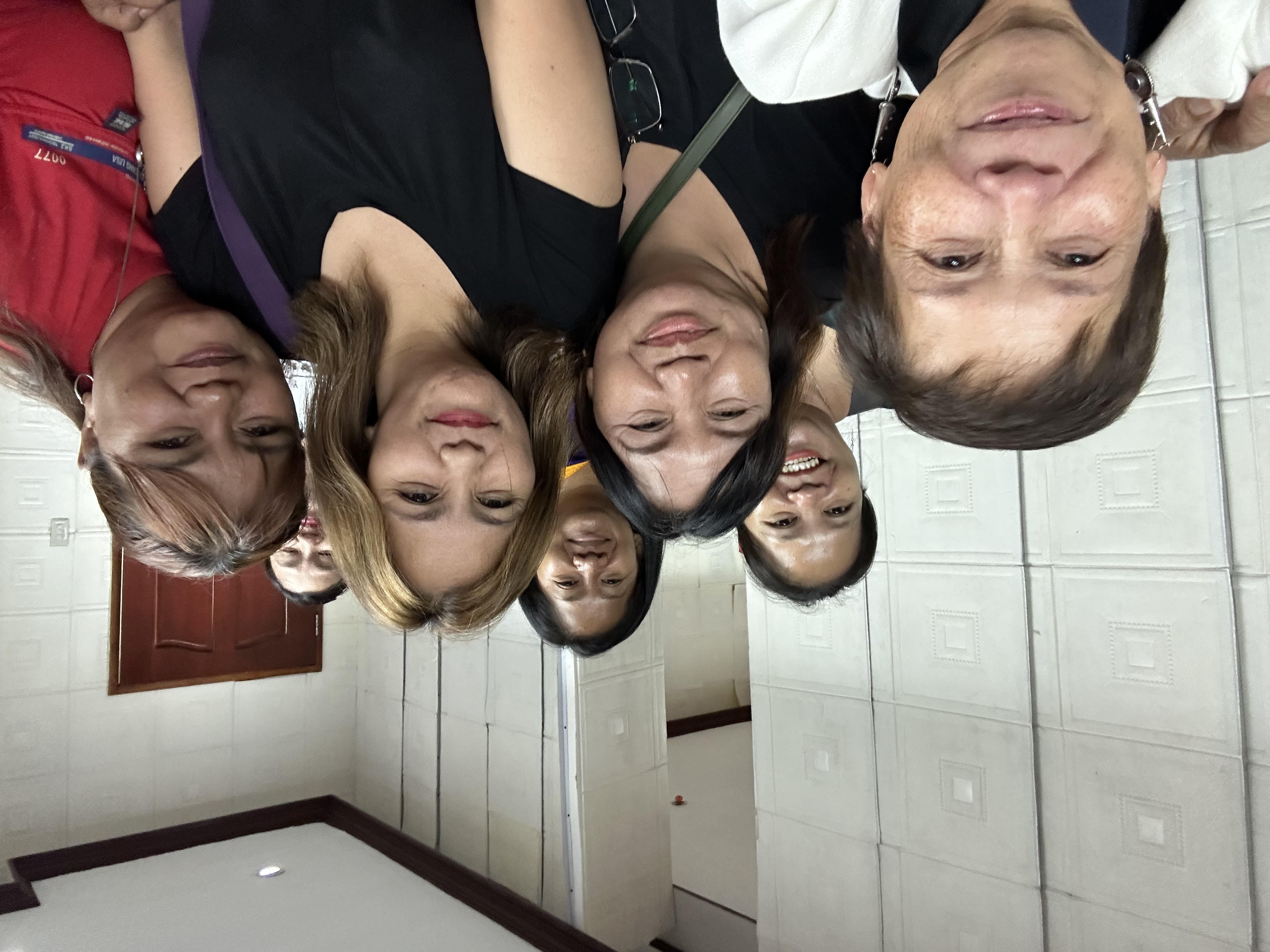
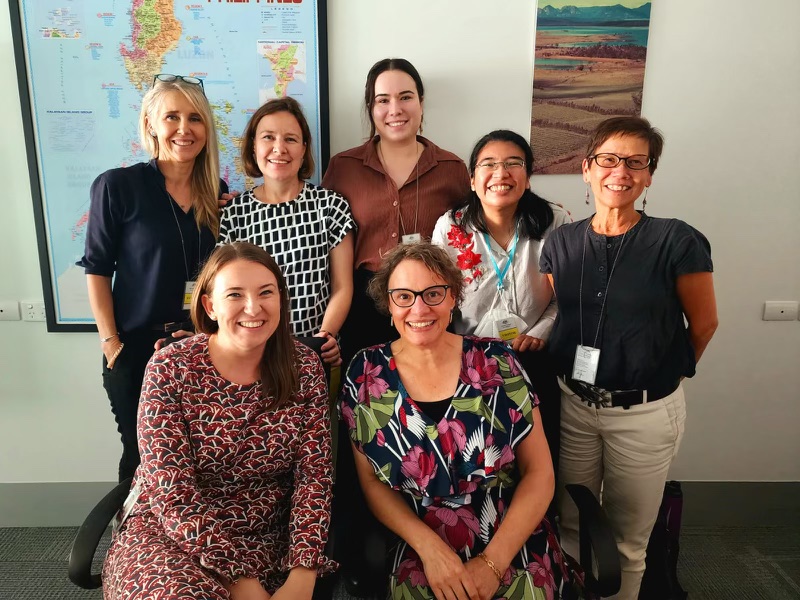
August 18, 2023“Working with the Governments of Australia and the Philippines on the design of a new investment in social protection, gender equality, and the equity and rights of people with disability and Indigenous Peoples.
Image Gallery







Laos
December 31, 2022Mid Term Review of the World Bank Health and Nutrition Services Access (HANSA) Project in Laos with field visits to Phonsaly Province and Xiengkhouang Province.
Image Gallery


Cambodia
December 31, 2022Launch of the Cambodia Second Health Equity and Quality Improvement Project (H-EQIP2) funded by Royal Government of Cambodia, World Bank, Australian DFAT, German KfW and the Global Financing Facility for Women, Children and Adolescents (GFF).
Image Gallery


Looking forward to in-person workshops again
April 28, 2022
A snapshot of the Workshop Phase II of the Pacific Clinical Services Health Workforce Improvement Program.
Facilitating gender training of the Myanmar Education Quality Improvement Project Support Team
July 17, 2020My-EQIP is a Government of Myanmar and Government of Australia education quality improvement program. Here we are rounding off some gender training with a web of reflection.
Image Gallery


Responding to gender based violence in Biratnagar, Nepal
February 12, 2020
Hospital based One Stop Crisis Management Centres (OCMCs) are one of the Government of Nepal’s key responses to gender based violence (GBV). There are 55 OCMCs across Nepal. They provide an integrated package of services through a ‘one-door’ system that follows a multisectoral and locally coordinated approach to provide survivors with a comprehensive range of services including health care, psycho-social counselling, medico-legal services, access to safe homes, legal protection, personal security and rehabilitation support. OCMCs are founded on three core principles: (i) ensuring the security and safety of GBV survivors, (ii) maintaining confidentiality, and (iii) respecting the dignity, rights and wishes of survivors at all times.
Social and behaviour change communication at work in Laos
February 12, 2020In Northern Laos, village facilitators are working to improve maternal and child health and nutrition through a package of social and behaviour change communication. This event included information sharing on infant and young child feeding, growth monitoring and a cooking demonstration.
Image Gallery


A pathbreaking initiative in Nepal
June 15, 2019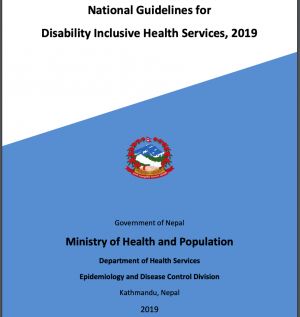
One of the outcomes of our support to the Ministry of Health and Population is the National Guidelines for Disability Inclusive Health Services, 2019. A pathbreaking initiative in Nepal, these guidelines are targeted at health sector managers and health professionals, and are an important step towards meeting the Government of Nepal's Sustainable Development Goals and the rights of persons with disabilities.
National Guidelines for Disability Inclusive Health Services, 2019
Empowering Communities for Health in Cambodia
October 11, 2018
Deborah Thomas presenting at the HSR2018 - Fifth Symposium on Health Systems Research - Liverpool - Empowering Communities for Health in Cambodia. Read more

Facilitating a voting game with staff in the Ministry of Education to explore the drivers of social exclusion and social advantage.
Learning from the women of this community in Tanna, Vanuatu.
March 17, 2018
Thank you for your contributions.

Focus group discussion with adolescent girls in TAFEA Province, Vanuatu, thank you for your contributions girls.
GESI and Health Policy and Planning team members
March 17, 2018
Lunch with the GESI and Health Policy and Planning team members of the Nepal Health Sector Support Programme, thank you for your great contributions.
The management team at Lenekal Hospital
March 17, 2018
The management team at Lenekal Hospital, TAFEA Province, Vanuatu at the end of a rich consultation meeting, thank you for the great contributions.
Health Centre in Vanuatu
November 17, 2017
The catchment area of Paunangisu Health Centre in Vanuatu includes five outer islands but still has an institutional delivery rate close to 90%.
Women marching in Vanuatu
November 16, 2017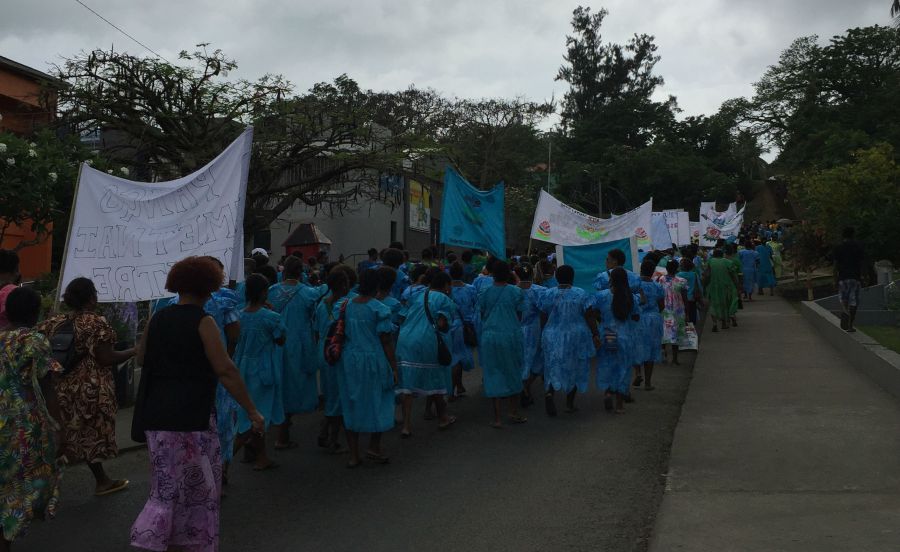
Women in Port Vila marching for women’s economic empowerment.
National Health Forum 2017 in Samoa
November 11, 2017
National Health Forum 2017 in Samoa was raising public awareness of health, exercise and diet.

Tuvaluan dancers performing for the farewell ceremony of the President of Taiwan when she visited Funafuti.
Focus group Tonga
October 27, 2017
Focus group discussion with health staff to discuss constraints faced in delivering primary health care services in Nuku’alofa, Tonga.
Newly elected Commune Chief in Kratie
August 30, 2017
During field work as part of the gender assessment of H-EQIP we met this newly elected Commune Chief in Kratie. Women make up a small minority of elected representatives in Cambodia but there are signs that the leading political parties see the value in increasing their numbers. The Commune Chief’s father had himself been a Commune Chief and her husband supported her public position; arguably two key factors that enabled her to be successful.
Gender assessment of Health Equity and Quality Improvement Project (H-EQIP), Cambodia
August 30, 2017
Indigenous women have poorer health outcomes than non-indigenous in Cambodia. This community consultation with women in Mondulkiri highlighted the financial, transport and socio-cultural barriers they face in accessing health services. Traditional beliefs that define pregnancy related blood as polluting and require families to pay compensation to villagers where blood is spilled hinders families from allowing women to deliver in facilities and transporters being prepared to take them.
Marie Stopes Bangladesh Maternity clinic in Jessore
July 4, 2017
We recently visited this busy Marie Stopes Bangladesh Maternity clinic in Jessore, Bangladesh. Marie Stopes Bangladesh along with BRAC Manoshi and Smiling Sun clinics is participating in the DFID Urban Health Programme which includes a Municipality led initiative to harmonize the different NGO discount cards for the extreme poor. One of the reasons for visiting Jessore was to meet stakeholders and design the process evaluation of this new common entitlement card.
Mainstreaming gender into the health sector in Fiji
April 20, 2017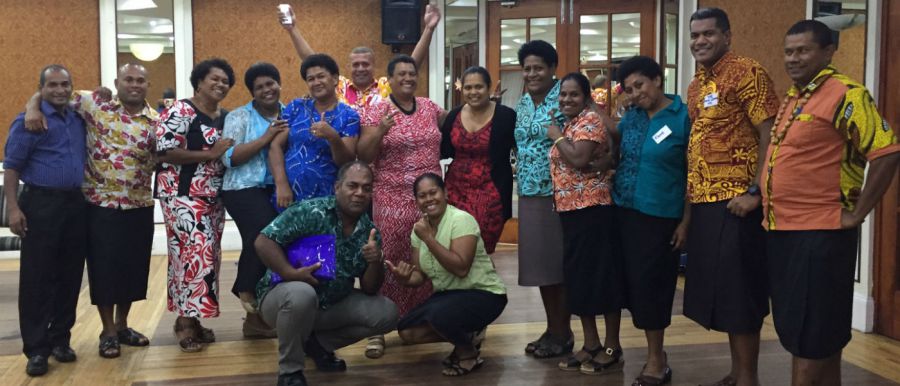
Role play, power walk and games brought alive the recent training of Ministry of Health and Medical Services in-service trainers on mainstreaming gender into the health sector in Fiji.
Gender is receiving increasing political importance in Fiji
February 20, 2017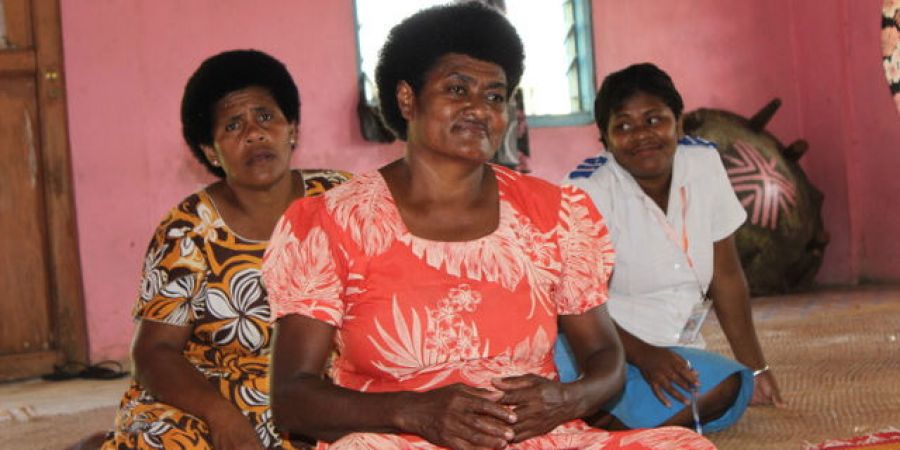
Fiji's National Gender Policy has created the impetus for sector ministries to develop their own gender implementation plans. This consultation with i-Taukei communities and primary health staff fed into the development of the Ministry of Health and Medical Services Gender Implementation Plan 2017-2020.
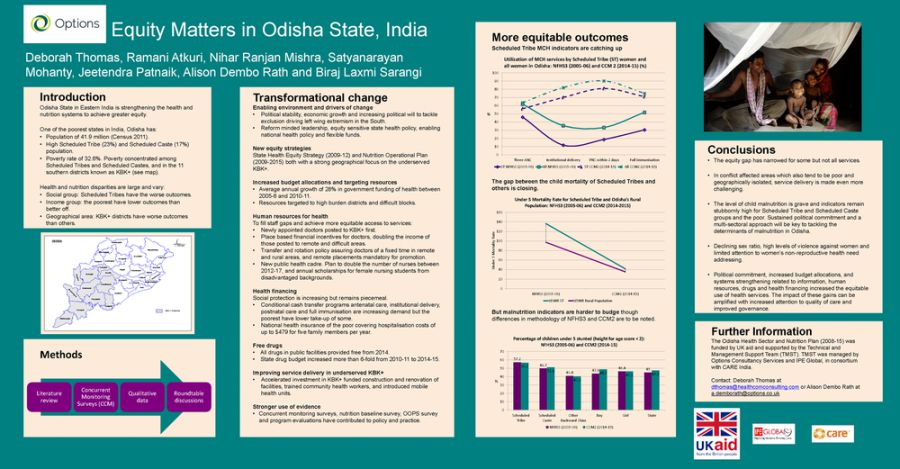
One of the E-Posters we will be presenting during the the 4th Global Symposium on Health Systems Research held in Vancouver on November 14 to November 18.
For more details please visit http://us4.campaign-archive1.com/…
Meeting staff at Naitasiri Subdivisional Hospital in Fiji
September 20, 2016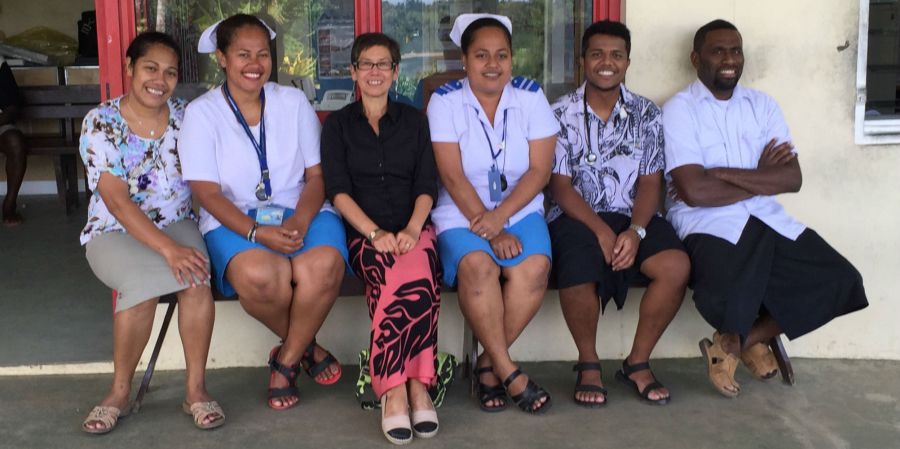
Fiji’s health outcomes are impressive given the geographical barriers to accessing services in a country with over 150 inhabited islands and where it can take two weeks on a ship to reach some of the islands furthest from the capital.
Cambodia has made good progress in meeting its health related goals over the past 10 years
July 1, 2016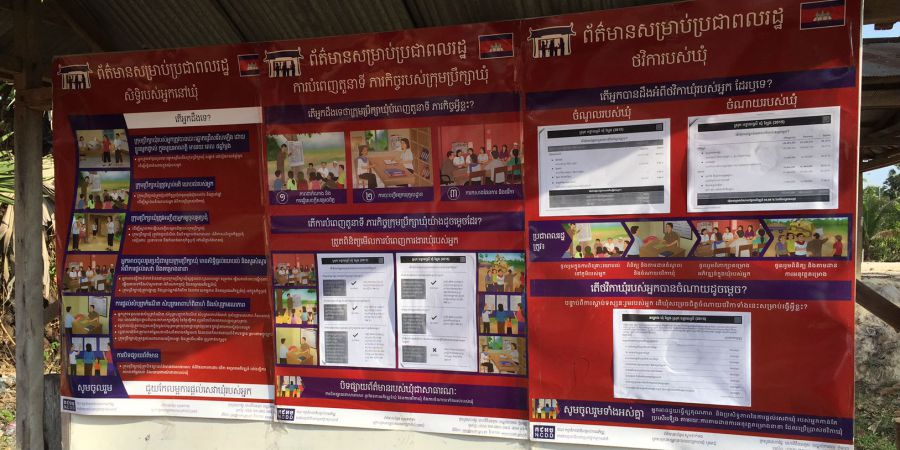
The social accountability framework implemented through a handful of CSOs is innovative and path breaking, and helping to forge new cultural norms around the legitimacy of citizen voice. The photo above shows information displayed at a Commune Council in Banteay Srey on what citizens can expect from education, health and commune services

In April 2016, a year after the first earthquake, emergency tents are still standing outside Charikot Primary Health Care Centre but they are mainly being used for storage and staff quarters. However many Health Posts in the district are still operating from tents after they were damaged or destroyed by the earthquakes and reconstruction is yet to begin.

The team at the DFID funded UHSSP celebrating Bangladesh’s New Year. The project has been launched in the three focal cities of Dinajpur, Jessore and Mymensingh. The baseline survey, which includes a sample of over 3,000 households, a separate sample of floating populations, as well as focus group discussions, will provide critical evidence for government and NGO health service planning.

With our experience of working on health systems reform from the inside and fostering community voice and empowerment to trigger change from the outside, we see that context is key. Opening up space for institutional reform and for citizen participation are complementary processes that move systems closer to being more responsive and more inclusive but sequencing and synchronizing these moves depends on local realities.