

Tuvaluan dancers performing for the farewell ceremony of the President of Taiwan when she visited Funafuti.
Focus group Tonga
October 27, 2017
Focus group discussion with health staff to discuss constraints faced in delivering primary health care services in Nuku’alofa, Tonga.
Newly elected Commune Chief in Kratie
August 30, 2017
During field work as part of the gender assessment of H-EQIP we met this newly elected Commune Chief in Kratie. Women make up a small minority of elected representatives in Cambodia but there are signs that the leading political parties see the value in increasing their numbers. The Commune Chief’s father had himself been a Commune Chief and her husband supported her public position; arguably two key factors that enabled her to be successful.
Gender assessment of Health Equity and Quality Improvement Project (H-EQIP), Cambodia
August 30, 2017
Indigenous women have poorer health outcomes than non-indigenous in Cambodia. This community consultation with women in Mondulkiri highlighted the financial, transport and socio-cultural barriers they face in accessing health services. Traditional beliefs that define pregnancy related blood as polluting and require families to pay compensation to villagers where blood is spilled hinders families from allowing women to deliver in facilities and transporters being prepared to take them.
Marie Stopes Bangladesh Maternity clinic in Jessore
July 4, 2017
We recently visited this busy Marie Stopes Bangladesh Maternity clinic in Jessore, Bangladesh. Marie Stopes Bangladesh along with BRAC Manoshi and Smiling Sun clinics is participating in the DFID Urban Health Programme which includes a Municipality led initiative to harmonize the different NGO discount cards for the extreme poor. One of the reasons for visiting Jessore was to meet stakeholders and design the process evaluation of this new common entitlement card.
Mainstreaming gender into the health sector in Fiji
April 20, 2017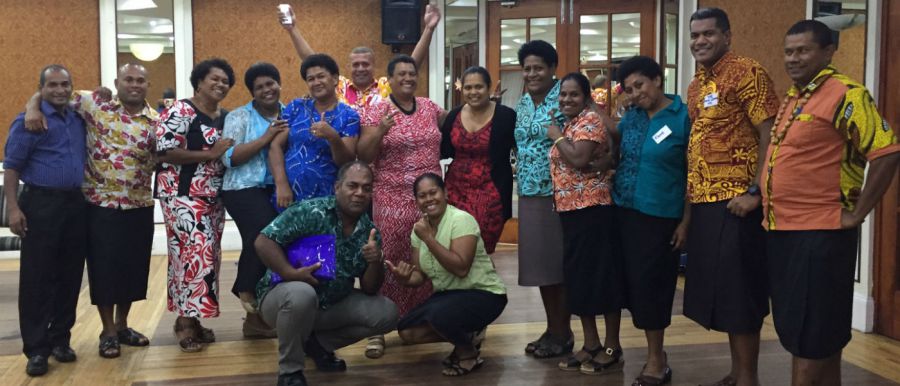
Role play, power walk and games brought alive the recent training of Ministry of Health and Medical Services in-service trainers on mainstreaming gender into the health sector in Fiji.
Gender is receiving increasing political importance in Fiji
February 20, 2017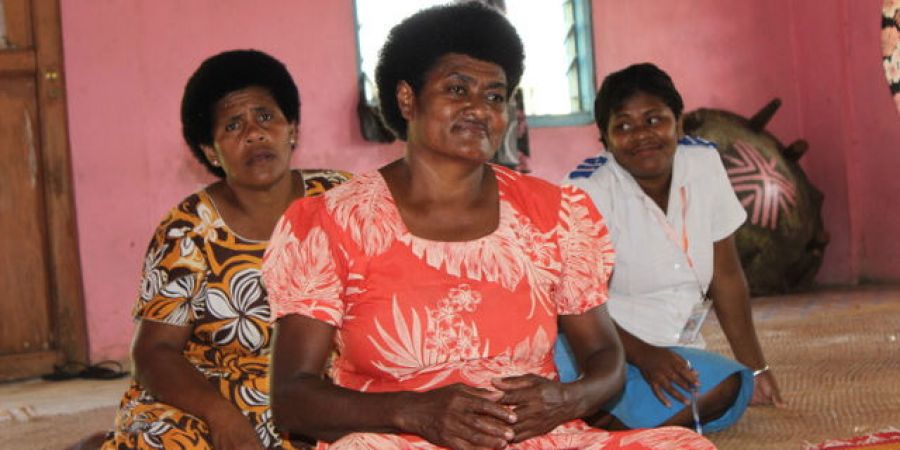
Fiji's National Gender Policy has created the impetus for sector ministries to develop their own gender implementation plans. This consultation with i-Taukei communities and primary health staff fed into the development of the Ministry of Health and Medical Services Gender Implementation Plan 2017-2020.
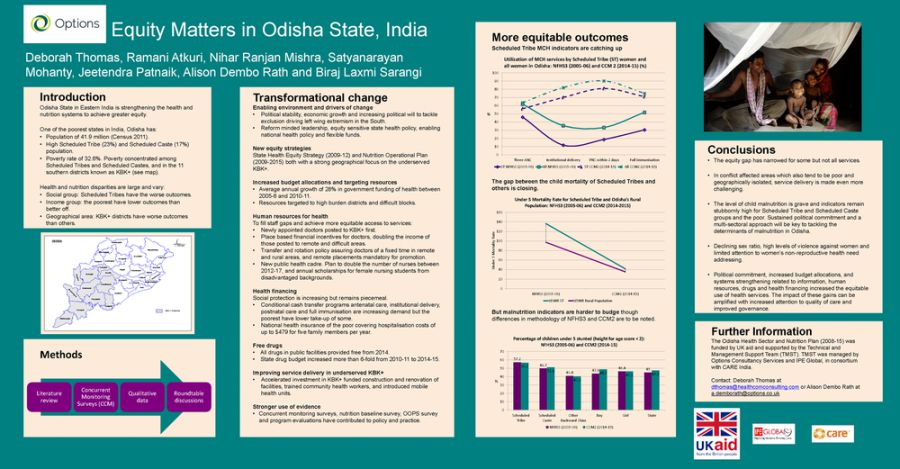
One of the E-Posters we will be presenting during the the 4th Global Symposium on Health Systems Research held in Vancouver on November 14 to November 18.
For more details please visit http://us4.campaign-archive1.com/…
Meeting staff at Naitasiri Subdivisional Hospital in Fiji
September 20, 2016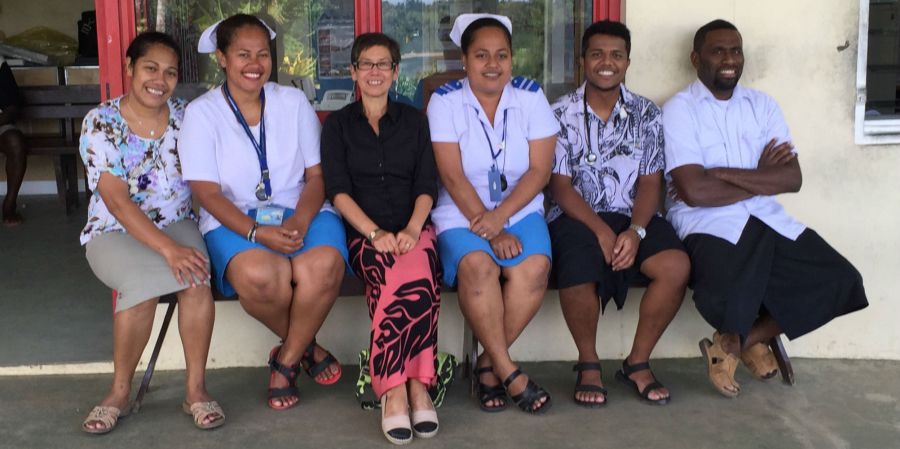
Fiji’s health outcomes are impressive given the geographical barriers to accessing services in a country with over 150 inhabited islands and where it can take two weeks on a ship to reach some of the islands furthest from the capital.
Cambodia has made good progress in meeting its health related goals over the past 10 years
July 1, 2016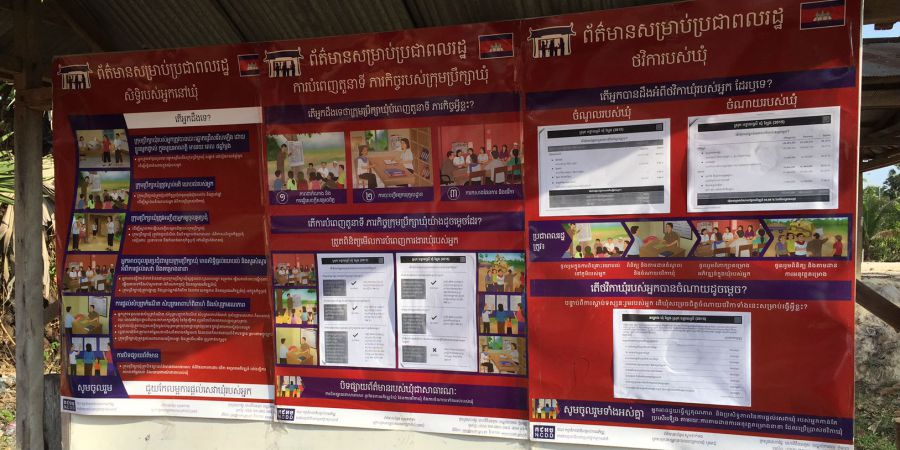
The social accountability framework implemented through a handful of CSOs is innovative and path breaking, and helping to forge new cultural norms around the legitimacy of citizen voice. The photo above shows information displayed at a Commune Council in Banteay Srey on what citizens can expect from education, health and commune services

In April 2016, a year after the first earthquake, emergency tents are still standing outside Charikot Primary Health Care Centre but they are mainly being used for storage and staff quarters. However many Health Posts in the district are still operating from tents after they were damaged or destroyed by the earthquakes and reconstruction is yet to begin.

The team at the DFID funded UHSSP celebrating Bangladesh’s New Year. The project has been launched in the three focal cities of Dinajpur, Jessore and Mymensingh. The baseline survey, which includes a sample of over 3,000 households, a separate sample of floating populations, as well as focus group discussions, will provide critical evidence for government and NGO health service planning.

With our experience of working on health systems reform from the inside and fostering community voice and empowerment to trigger change from the outside, we see that context is key. Opening up space for institutional reform and for citizen participation are complementary processes that move systems closer to being more responsive and more inclusive but sequencing and synchronizing these moves depends on local realities.